Review: Sublimation Design Thanksgiving, PNG for Embroidery
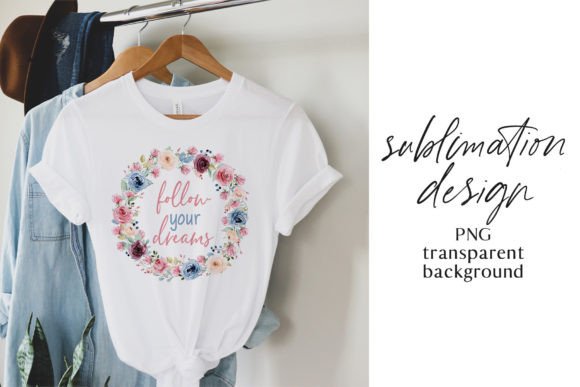
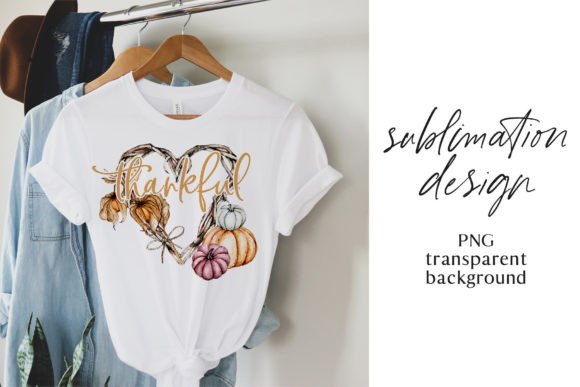
As a designer who spends most of my day staring at digitized files and thread charts, I approach any new asset with a critical eye. When I first pulled up the Sublimation Design Thanksgiving, PNG, my initial reaction was one of aesthetic appreciation mixed with immediate technical curiosity. The file presents itself as a bright, watercolor-style clipart with a transparent background, clearly intended for sublimation printing on tumblers, mugs, and light-colored fabrics. However, in the world of custom apparel and handmade goods, we often need to bridge the gap between digital graphics and physical stitching. This review explores how this specific graphic translates from a screen-based T-Shirt Design into a tangible embroidery project.
First Impressions: Mood and Visual Personality
The visual personality of this design is undeniably warm and inviting. The watercolor aesthetic brings a softness that is perfect for the autumn season, evoking feelings of harvest, family gatherings, and cozy interiors. Unlike rigid vector art often found in standard Graphics libraries, the organic edges and blending colors here suggest a more artistic, hand-painted feel. For an embroidery designer, this presents both an opportunity and a challenge. The "bright design" mentioned in the product description suggests high saturation, which translates beautifully to vibrant thread palettes. However, the lack of hard outlines means that if you were to digitize this for machine use, you would need to rely heavily on varied stitch density and careful color blocking to maintain definition without losing that signature watercolor blur.
Real-World Application: The Custom Tote Bag Scenario
To truly evaluate the potential of this file, I imagined a real-life scenario common for many Etsy sellers and craft business owners: creating a limited run of holiday tote bags for a local boutique. The goal was to produce a handmade product that felt premium yet festive. Using the Sublimation Design Thanksgiving, PNG as a reference for color selection and layout, I considered how it would look as a large central motif on a canvas tote.
In this context, the design shines as a source of inspiration for a custom applique design or a dense fill stitch execution. If sublimating directly onto a polyester-blend bag, the transparent background ensures no unsightly white boxes around the artwork. But for a cotton canvas tote requiring embroidery, this image serves as the perfect blueprint. The broad shapes of the watercolor elements allow for creative interpretation using satin stitch borders and textured fill stitches. A customer receiving this bag would perceive high value because the design avoids the cheap, sticker-like appearance of low-resolution prints. Instead, it offers the depth and texture that only thread can provide, elevating a simple grocery carrier into a cherished personalized gift.
Navigating Fabric Textures and Limitations
While the design is versatile, practical judgment dictates where it should—and should not—be used. The original product notes mention suitability for t-shirts and baby clothes. Here, caution is required. Watercolor styles rely on subtle gradients. On a textured fabric like a heavy fleece sweatshirt or a waffle-knit towel, fine details can get lost. If you are attempting to replicate this look via embroidery on such surfaces, you must account for the fabric texture interfering with small stitch runs.
Furthermore, consider the hoop size constraints. If you intend to place this on a cap or a curved surface, the design's width might be too expansive for a standard cap frame without significant resizing, which could compromise the legibility of any intricate internal details. Similarly, on stretchy fabrics like those used for baby embroidery, a dense replication of this graphic could cause puckering. In these cases, it is smarter to simplify the design, perhaps using it as a guide for a simpler running stitch outline or reducing the number of thread colors to ensure stability. Dark fabrics also pose a challenge; since this is a PNG intended for light sublimation substrates, applying it to dark garments requires either a white underbase (for printing) or very strategic thread choices (for embroidery) to prevent the colors from looking muddy.
Enhancing Brand Consistency and Customer Trust
For small shop product lines, consistency is key to building brand recognition. The Sublimation Design Thanksgiving, PNG offers a cohesive look that can be adapted across various items, from kitchen towels to pillow covers. When customers see a consistent artistic style across your commercial embroidery offerings, it builds trust. They begin to recognize your work not just as a commodity, but as a curated collection. This design's professional finish helps avoid the "amateur hour" look that plagues many online marketplaces. By treating this graphic as a high-quality design asset rather than just a quick print-and-go file, you signal to your buyers that you care about the final presentation.
The impact on buyer engagement is significant. A well-executed version of this design, whether printed or stitched, stops the scroll on social media. It invites questions about the technique used, opening doors for you to explain your process—whether that involves precise digitizing for a machine embroidery design or high-quality sublimation pressing. This transparency adds perceived value to your finished product.
Practical Notes for the Working Designer
Before committing this design to a client order or listing it as a digital embroidery file derivative, there are several steps a prudent creator must take. First, always test the design on scrap fabric that matches your final material. Check how the colors interact; does the orange bleed visually into the brown, or do they clash? Second, review the stitch density if you are digitizing it yourself. Watercolor effects often tempt us to over-fill, but less is sometimes more to keep the fabric draping correctly.
It is also vital to confirm licensing terms. While the description highlights its use for printing and sublimation, using it as a basis for a new embroidery file for resale may have different restrictions. Always verify if the license covers commercial derivatives. Additionally, create black-and-white mockups to ensure the design holds its shape without relying solely on color contrast. Finally, choose the right stabilizer. For a design with this much coverage, a cut-away stabilizer is often safer than tear-away, especially for items like tote bag designs or sweatshirt embroidery that will undergo frequent washing and wear.
In conclusion, the Sublimation Design Thanksgiving, PNG is a robust starting point for the creative entrepreneur. It bridges the gap between digital convenience and artisanal quality. Whether you are a hobbyist making gifts for family or an apparel decorator fulfilling bulk orders, this graphic provides the visual foundation needed to create standout holiday items. With careful adaptation and attention to textile realities, it transforms from a simple image into a cornerstone of a successful seasonal collection.